When a tree becomes unstable, damaged, or dangerously positioned, it is not the time for guesswork. High risk trimming and removal is specialized tree work for situations where a limb or entire tree threatens people, structures, vehicles, or utilities. We provide high risk trimming and removal in Belle Chasse and the greater New Orleans area with a safety-first process, the right equipment, and an experienced crew that understands how quickly risk can escalate.
High risk tree work often happens after storms, during hurricane season prep, or when a tree has grown too close to a roofline or power lines. It can also be the result of decay, root failure, splitting trunks, or heavy lean. In these scenarios, the goal is not just making the tree look better. The goal is reducing immediate danger and preventing costly damage.
If you are looking at a hanging limb, a cracked trunk, or a tree leaning toward your home, we can help you act quickly and responsibly. We will evaluate what is happening, explain the safest option, and complete the work with control from start to finish.
High risk trimming and removal refers to tree work that involves elevated hazards, complex cuts, limited drop zones, or proximity to structures and utilities. This can include:
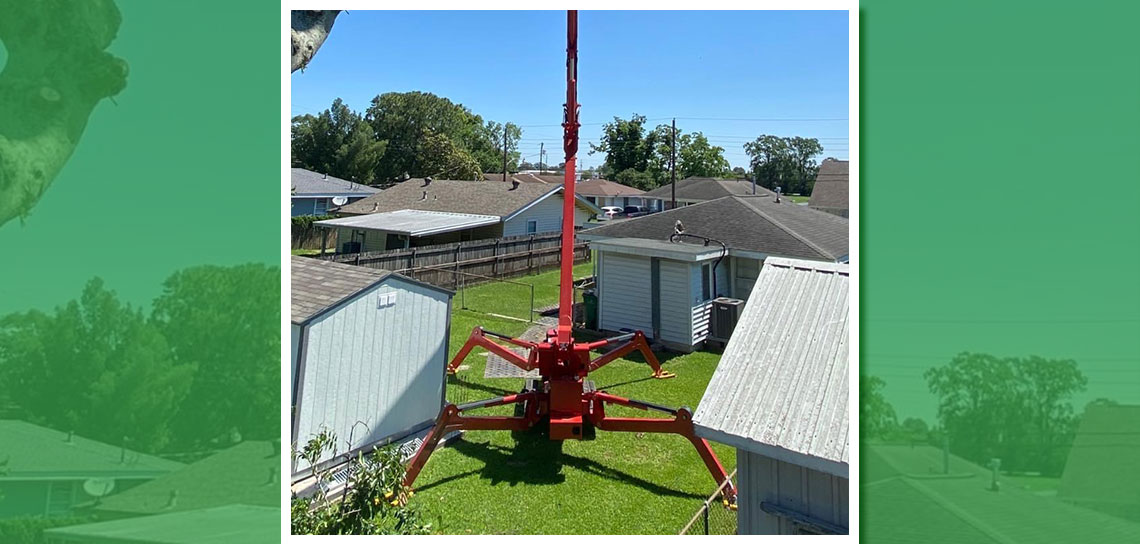
Unlike standard pruning, high risk trimming and removal requires careful planning around weight, tension, and where each piece can safely land. It also requires the right rigging and cutting strategy, so the tree comes down in a controlled way.
Some tree risks are obvious. Others develop slowly and only become clear after wind, rain, or a sudden branch failure. If you notice any of the signs below, it is worth scheduling a professional evaluation as soon as possible:
If you are not sure whether the situation qualifies as high risk, we can start with a tree assessment and give you a clear recommendation based on what we see.
Belle Chasse properties often have large shade trees and more open space, but risk still shows up in common ways: trees leaning toward homes, limbs over driveways, and storm-damaged canopies that create hazards for families and neighbors. We approach high risk trimming and removal with careful planning around the property layout, access points, and safety zones.
We also understand that many properties have fences, landscaped areas, and tight areas near porches or parking. High risk work is often about precision. We remove what needs to come down and protect what should stay intact.
For properties that have thick overgrowth or multiple trees needing attention, we may recommend pairing this service with land clearing to create a cleaner, safer site overall.
High risk trimming and removal should never be rushed. Even when the situation feels urgent, the safest jobs are the ones that are planned with intention. Our process is designed to reduce risk at every stage.
If the tree is not a full removal but still needs canopy work, we can also recommend ongoing maintenance through tree pruning to help prevent future high-risk situations.
A common question we hear is whether trimming is enough, or if the tree needs to come down. The right answer depends on the structure of the tree, the location, and how much risk remains after the work is complete.
High risk trimming may be the right choice when:
High risk removal may be the right choice when:
When removal is the right call, we can handle the job through our tree removal service as part of the same plan.
In our region, storm damage is one of the biggest drivers of high risk trimming and removal. Trees can break high in the canopy and leave hanging limbs that are under tension. Those limbs can fall days later, even in calm weather. If you have storm damage, it is important to treat it as a hazard until it is evaluated.
High risk trimming and removal after storms is often focused on:
If you are preparing ahead of storm season, preventative trimming can also help reduce risk. We often recommend a proactive pruning plan for trees that have heavy canopies over homes and driveways.
When we provide an estimate for high-risk trimming and removal, we aim to be clear about scope and outcomes. We will discuss:
If you are juggling multiple trees or multiple priorities, we can help you decide what should be handled first based on risk.
It can be, because the work often involves more specialized equipment, additional safety planning, complex rigging, and tighter control. The cost depends on tree size, access, hazards, and how close the tree is to structures or utilities.
Yes. Many high-risk removals require dismantling the tree in sections. We plan the cuts and lowering approach to protect the property and complete the job safely.
If a stump remains, we can coordinate stump grinding through our tree stump grinding service so you are not left with an obstacle in the yard.
Lean, cracking, decay, and storm damage are common warning signs. The best next step is a professional evaluation so you can make decisions based on the tree’s condition, not just how it looks from the ground.
If you need high risk trimming and removal in Belle Chasse or New Orleans, we are ready to help you reduce risk and protect your property with professional, controlled tree work. The quickest way to get started is through our contact page, and we will schedule a time to evaluate the tree, explain the safest option, and provide a clear estimate.